2026-09-07
Back-to-school language milestones for preschool families
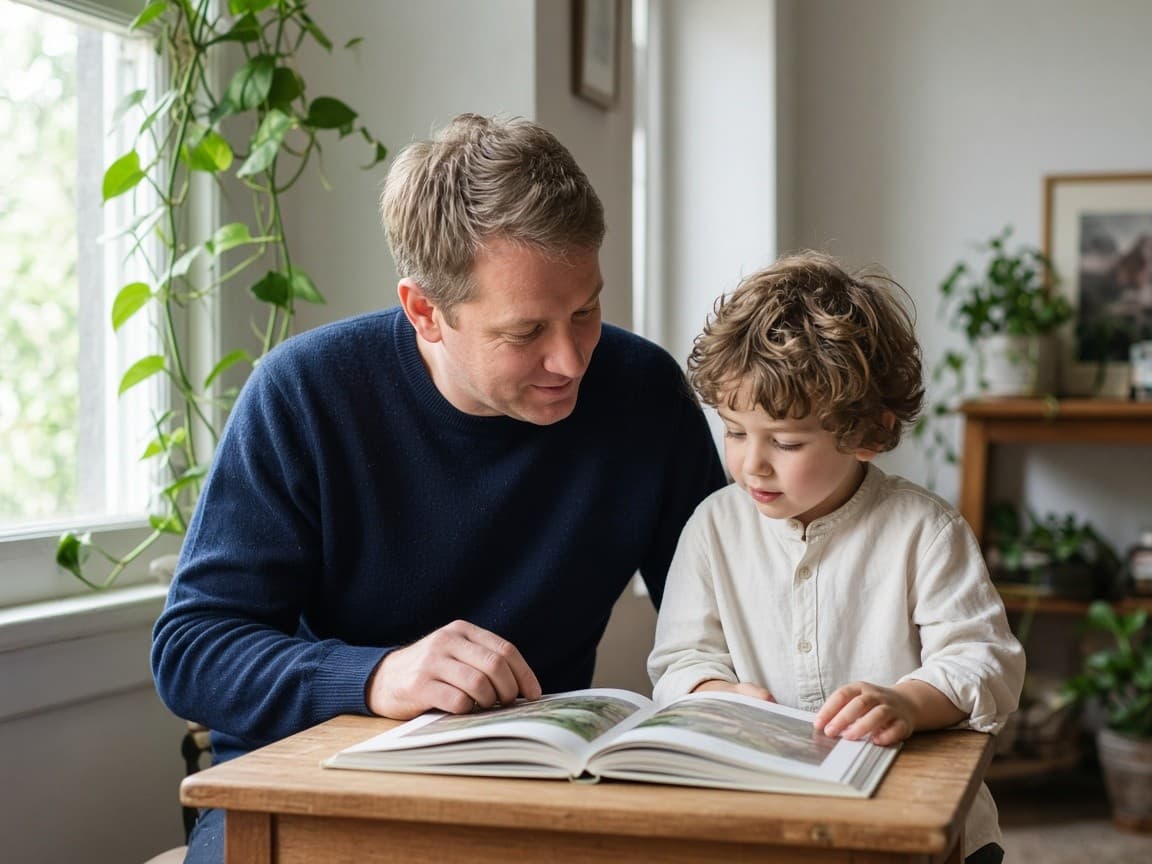
The first weeks of preschool can bring big changes. Children are learning new classroom routines, meeting teachers and classmates, and hearing directions in a busy group setting. These new experiences can make a child's communication strengths, and any areas where they need help, easier to notice.
At Summit Speech Therapy, we know preschool language does not develop on one exact timeline. Milestones are not a pass-or-fail checklist. Instead, they are helpful guideposts for noticing growth and knowing when it may be useful to ask for support. Small, steady language moments at home can help your child feel more comfortable sharing ideas, joining play, and participating at school.
What Preschool Language Growth Can Look Like
Preschoolers build communication skills little by little. Younger preschool children are often learning to name familiar people, objects, and actions. They may begin putting more words together, answering simple questions, and following short directions. Older preschoolers often use longer, more detailed sentences, talk about events that happened earlier, and answer questions about books or stories.
Language includes more than the words your child says. Expressive language is how a child uses words, sentences, gestures, and stories to share thoughts. Receptive language is how they understand what other people say. In a classroom, receptive language may include understanding, "Put your backpack away, then sit on the rug." Expressive language may look like explaining what happened during recess or telling a teacher what they need.
Social communication matters, too. Preschoolers are learning how to take turns, join a game, ask for help, respond to classmates, and stay on the same topic for a short conversation. These skills can take practice, especially in a new classroom.
Many children who hear or use more than one language show communication growth across both languages. Rather than comparing your child to one classmate, we encourage you to look at their overall progress and how comfortably they communicate across daily settings.
When Classroom Communication May Need Support
Some children need extra time to warm up at school, and that alone does not always mean there is a language concern. Still, certain patterns can be worth discussing with a speech-language pathologist, especially when they continue over time or make everyday routines harder.
You may want guidance if your child:
- Has a hard time understanding everyday directions or simple questions
- Rarely uses sentences to communicate needs, ideas, or experiences
- Becomes very frustrated when trying to explain what they want
- Has difficulty answering simple questions about familiar events
- Shows limited interest in communicating or playing with peers
Back-to-school routines can offer helpful clues. A child may struggle with transitions because they did not understand what was expected next. They may seem quiet during circle time because group language moves quickly. During play, frustration can happen when they want to join in but cannot explain their idea, ask for a turn, or respond to another child.
Other factors can affect communication, too. Hearing concerns, frequent ear infections, big routine changes, shyness in unfamiliar places, and different expectations at home and school can all play a part. We recommend writing down specific moments you notice. Include what your child was asked to do, how they responded, and what seemed to help. These details can give us a clearer picture of your child's communication needs.
Build Preschool Language Into September Routines
Language practice does not need to feel like homework. Everyday routines give children natural chances to listen, answer, describe, and tell stories. A few extra moments of conversation can make a real difference in how confident they feel using language.
During morning routines, you can name clothing items, talk about the weather, and ask your child what they need to bring to school. Try giving simple choices that invite more than a one-word answer, such as, "Do you think you will need your jacket today? Why?" At pickup, broad questions like "How was school?" can be hard for young children to answer. Specific prompts are often easier.
Consider asking:
- "Who did you play with today?"
- "What did you make or build?"
- "What was your favorite part of snack time?"
- "What did your teacher read about?"
- "Tell me one thing that made you laugh."
Shared reading is another strong way to support preschool language. Books about school, friendship, feelings, fall weather, and routines can help children connect stories to their own day. Pause before turning a page and ask what a character might do next. Invite your child to describe the pictures or tell you what happened first, next, and last. Re-reading favorite books is useful because familiar stories give children repeated chances to learn words and practice telling events in order.
Play can also prepare children for classroom language. "Teacher says" is a fun way to practice following directions. Pretend school with stuffed animals can give your child a low-pressure way to practice greeting friends, asking for help, and cleaning up. A simple obstacle course can introduce location words such as under, behind, next to, and between, which often come up in preschool directions.
Work Together with Your Child's Teacher
Teachers see your child in a communication setting that is different from home. A short, open conversation can help you understand how your child participates in group activities, follows directions, talks with peers, and handles transitions.
Questions we encourage families to ask include:
- Does my child respond when spoken to in a group?
- How do they communicate during play?
- Are transitions or multi-step directions difficult?
- Does my child need extra time to answer questions?
- What strategies seem to help them participate?
Sharing what works at home can be just as helpful. Your child's teacher may benefit from knowing if your child understands one direction at a time, responds well to pictures or gestures, needs a little extra wait time, or communicates most easily during play. Consistent support across home and school can make routines feel less confusing for your child.
When concerns continue, we can provide an individualized evaluation of speech, language, social communication, cognitive-communication, or swallowing concerns when appropriate. Our clinicians help families understand the results and develop functional goals and strategies that fit naturally into home, school, and community life.
Helping Your Child Feel Heard at School
Every child deserves to feel understood, included, and confident at school. Celebrate the progress you see, whether it is a new sentence, a successful turn with a peer, or a clearer answer to a teacher's question. If communication challenges keep getting in the way of daily routines, early guidance can help your child build skills for connecting, participating, and enjoying preschool.
Support Your Child's Communication Growth
At Summit Speech Therapy, we help families understand their child's unique communication needs and create practical goals for everyday life. Explore our preschool language services to see how personalized speech therapy can support clearer communication at home, in the classroom, and with friends. We're here to help you take the next informed step for your child.