2026-11-16
Tongue Thrust Vs. Tongue Tie: Why an Open Bite Can Persist
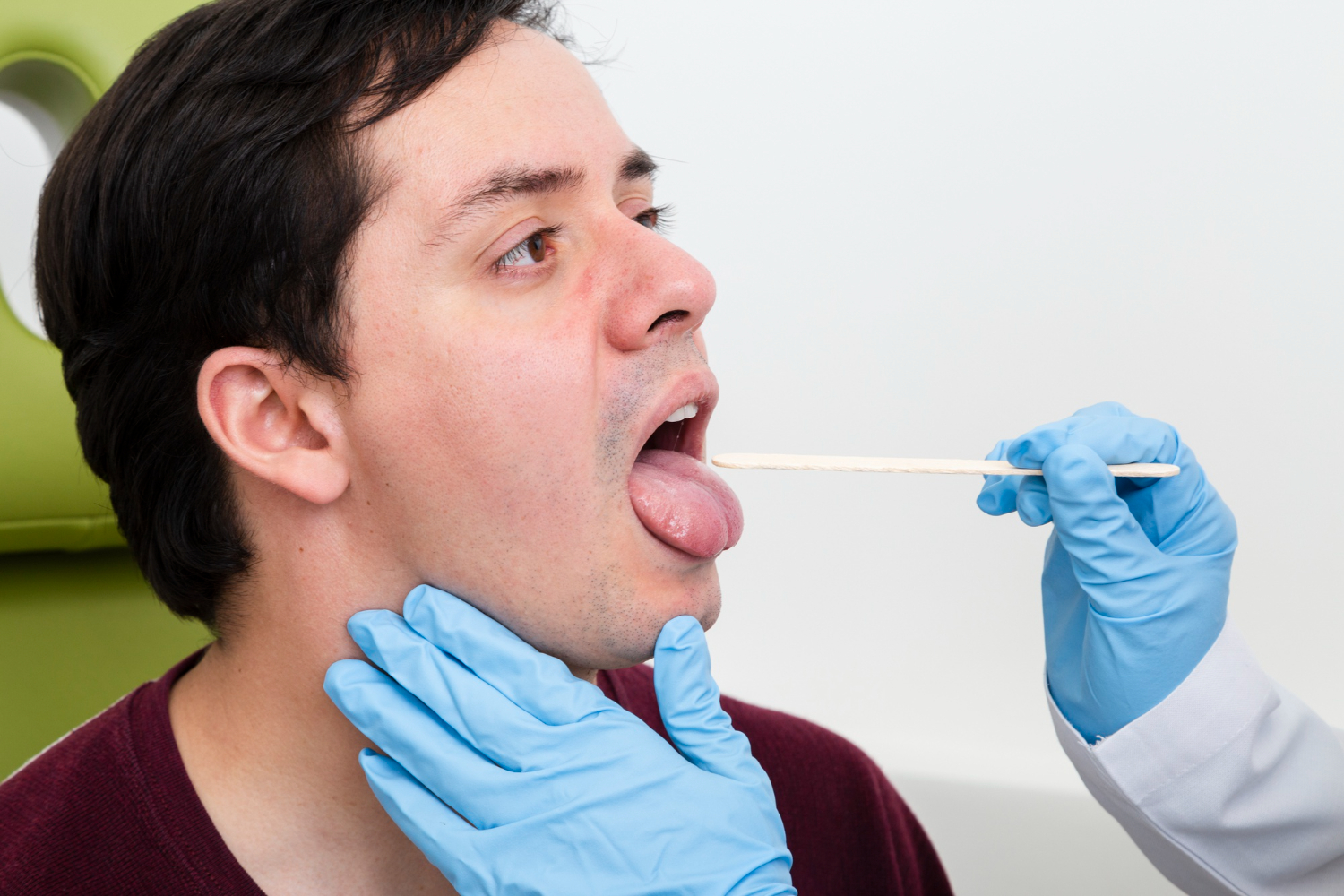
An open bite means the upper and lower front teeth do not meet when the mouth closes. You may notice a visible gap, trouble biting into foods, speech differences, mouth breathing, or a concern raised during a dental visit. While it can be easy to blame one habit or one body part, an open bite often has more than one cause.
At Summit Speech Therapy, we look beyond appearance to understand how the tongue, lips, jaw, breathing, chewing, and swallowing work together. That fuller picture helps us identify patterns that may be keeping an open bite in place.
Why an Open Bite May Persist
An open bite does not always close after thumb sucking, pacifier use, or another oral habit ends. Teeth may have shifted, but the tongue and lips may still be using the same resting or swallowing pattern that developed alongside the habit.
For example, a tongue that rests forward against or between the teeth can place ongoing pressure on developing teeth. A person may also swallow by pushing the tongue forward, tighten the lips to compensate, or keep the mouth open at rest. These patterns can continue long after the original habit is gone.
When we evaluate a tongue thrust open bite in Davis County, we consider daily function, not just the dental gap. Our assessment may include:
- Where the tongue rests when the mouth is relaxed
- How the lips close and how the jaw moves
- Chewing, swallowing, and food management
- Speech production and breathing patterns
- Oral habits and dental concerns
Children, teens, and adults can all benefit from an oral function evaluation. Adults may have long-standing patterns that affect chewing comfort, speech, or dental relapse after orthodontic treatment.
Tongue Thrust and Tongue Tie Are Different
Tongue thrust is a functional pattern. It describes the tongue moving forward or between the teeth at rest, while swallowing, or during speech. Some people with tongue thrust have an open-mouth resting posture, lip tension, messy swallowing, food pocketing, or speech sounds that come out differently.
Tongue tie, also called ankyloglossia, is an anatomical finding. It involves a lingual frenum, the tissue under the tongue, that may restrict tongue movement. A short frenum alone does not tell us whether it is causing a problem. We need to look at what the person can do with their tongue during feeding, swallowing, speech, oral care, and everyday movement.
A restricted tongue can lead to compensatory movements. Someone may move their jaw more than expected, press the tongue forward, or use the lips differently to complete a task. Still, tongue tie does not always involve tongue thrust or require a procedure.
Our role is to look at function carefully and collaborate with dental, medical, and other providers when appropriate. Therapy, medical consultation, dental care, or a combination of supports may be part of the plan.
How Habits and Oral Function Shape the Bite
Oral habits are not a reason for blame. Thumb sucking, finger sucking, pacifier use, chewing on objects, and tongue-forward resting can serve a soothing, sensory, or developmental purpose. The goal is to understand what is maintaining the pattern now and make realistic changes that support comfort and function.
Breathing can also play a role. Chronic congestion, allergies, enlarged tonsils or adenoids, sleep concerns, and low oral muscle tone may affect where the tongue rests and whether the lips stay closed comfortably. If nasal breathing is difficult, simply telling someone to keep their mouth closed is not a complete answer.
Speech differences may be more noticeable when the tongue comes between the teeth. Sounds such as s, z, sh, ch, j, t, d, n, and l can be affected. However, a speech sound error does not automatically mean tongue thrust is present, and tongue thrust does not always cause speech concerns.
Effective treatment is more than a reminder to “keep your tongue back.” Depending on the evaluation, we may work on:
- Awareness of tongue and lip posture
- Functional oral resting patterns
- Swallowing and chewing skills
- Habit-replacement strategies
- Coordination with dental or medical providers
Building a Team Plan for Lasting Change
Tongue thrust, tongue tie concerns, and open bite patterns often involve more than one provider. A dentist, orthodontist, pediatrician, ENT, lactation consultant, and speech-language pathologist may each see a different part of the picture. Coordination helps ensure that treatment supports both daily function and dental alignment.
An orofacial myofunctional evaluation can examine tongue mobility, resting posture, lip closure, jaw movement, chewing, swallowing, speech, oral habits, and personal goals. Based on those findings, we may recommend therapy before, after, or instead of another intervention.
For someone considering a tongue-tie release, pre- and post-procedure therapy may be recommended by the medical provider. Therapy can help a person practice using newly available tongue movement for real-life tasks such as feeding, chewing, swallowing, and speech. A procedure may change mobility, but it does not automatically change learned movement patterns.
Therapy can improve oral function and reduce patterns that may contribute to dental relapse. Orthodontic treatment, airway care, medical support, or continued follow-up may still be needed. Clear expectations help everyone work toward the same goal.
When an Evaluation Should Not Wait
Early concerns deserve attention, especially when feeding, swallowing, speech, or comfort is affected. An evaluation can be appropriate even if orthodontic treatment has not been recommended.
For infants, we encourage families to discuss concerns such as painful nursing, poor latch, clicking during feeds, long feeding times, milk leakage, bottle-feeding difficulty, poor weight gain, or suspected tongue tie. For children, signs may include an open bite, ongoing thumb or finger sucking, mouth-open resting, unclear speech, messy eating, gagging, food pocketing, or difficulty chewing age-appropriate textures.
Teens and adults may notice orthodontic relapse, jaw fatigue, trouble biting foods, swallowing discomfort, voice strain, chronic mouth breathing, or frustration with oral habits that have been hard to stop. November can also be a practical time to pursue an evaluation before year-end insurance benefits reset. We provide care for infants through adults, with insurance and private-pay options, no wait list, and daytime availability. In-clinic care is available in Bountiful, Layton, and Murray, with statewide telehealth for appropriate therapy needs.
Choking, breathing difficulty, dehydration, significant weight loss, or sudden swallowing changes after an illness, stroke, or head injury require prompt medical attention. For ongoing concerns, identifying the functional pattern behind an open bite can help guide the right support instead of relying on assumptions.
Support For Lasting Oral Function
At Summit Speech Therapy, we evaluate how oral habits, muscle patterns, and structural factors may affect comfort, speech, and dental development. Our team provides individualized care for a tongue thrust open bite in Davis County across all ages. We can coordinate therapy goals around your needs and schedule. Contact us to discuss next steps.