Reviewed September 28, 2026 by Shane James, MS, CCC-SLP. Summit Speech Therapy Inc, a Utah-licensed speech-language pathology practice.
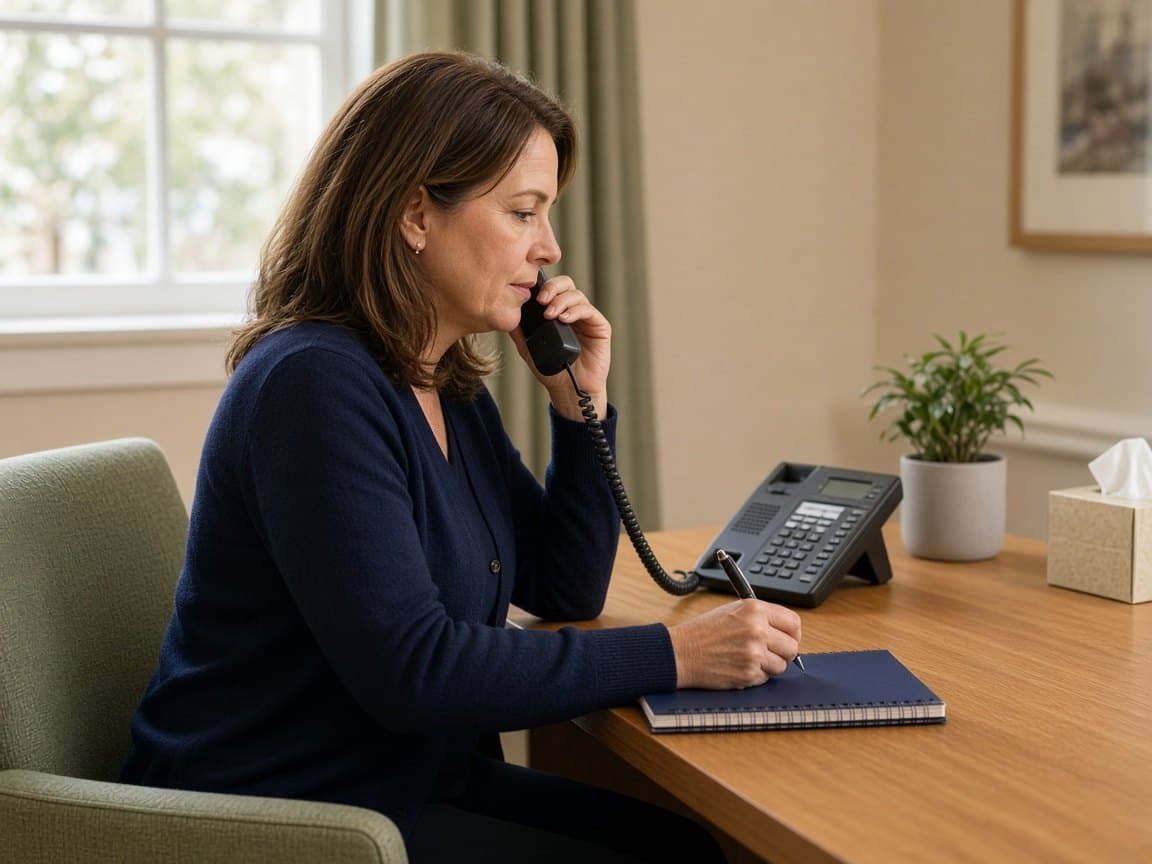
A free phone consultation at Summit Speech Therapy Inc. is a live call with an ASHA-credentialed speech-language pathologist for Utah families and adults who are unsure whether speech, language, fluency, feeding, voice, or cognitive-communication care is needed. The clinician listens to your concern, explains how screening and evaluation work here, and gives initial clinical feedback so you can decide on a next step. Front office staff answer first during phone hours, then hand you to the SLP. There is no online self-scheduling.
What the speech-language pathologist covers on the call
The free phone consultation is clinical time, not a sales script. You describe the concern in your own words: a late talker, a stubborn sound, stuttering that started this year, a swallow cough, a school note, or an adult change after injury. The SLP asks clarifying questions about age, medical history that matters for communication, prior therapy, and what you have already tried at home or school.
You should leave the call with a clearer picture of whether the concern sounds like watchful waiting, a short screening, or a full evaluation. The clinician also explains how Summit schedules appointments between 7:00am and 8:00pm once you decide to continue, and how telehealth fits for Utah residents when the goal can be treated on video.
If your question is mainly administrative, the front office can still help with clinic locations and how to reach us. The consult itself stays with the SLP so the clinical judgment is not filtered through a receptionist.
What a free consult does not diagnose
A phone conversation cannot replace an evaluation. The SLP cannot score standardized tests, watch oral motor patterns in enough detail for every diagnosis, or write a school-ready report from a call alone. Childhood apraxia, phonological patterns, swallow safety, and many language disorders require in-person or carefully structured video assessment before anyone should claim a label.
Initial feedback on the call is exactly that: feedback. It helps you decide whether to book, not what your insurance claim code will be. If something sounds urgent, such as coughing with every meal or a sudden loss of language after injury, the clinician will say so and point you toward the right intensity of follow-up rather than treating the phone call as treatment.
- No formal diagnosis from the phone alone
- No written plan of care until testing is complete
- No guarantee that telehealth will fit until a clinician reviews the goal
- No substitute for ENT, neurology, or other medical workups when those are indicated
Who answers, and why that matters
Phone hours are Monday through Friday, 8:30am to 5:30pm. Call (385) 275-0492. The front office takes your basic details so the SLP has context when they pick up the consultation. You are not stuck navigating a portal to find a free slot that does not exist, because Summit does not offer online self-scheduling for this step.
ASHA credentialing on the consult means you are talking with someone trained to hear the difference between a single sound error and a pattern problem, or between typical early stuttering and a presentation that needs faster follow-up. That is different from a call center that only books rooms.
Fax is (385) 275-6764 and email is [email protected] for paperwork after you are already in motion. The consult itself is designed for voice, not for uploading a stack of forms before anyone has listened.
Insurance and private-pay questions that belong on the call
Many families call because they need to understand coverage before they commit to testing. The free consult is an appropriate place to ask how Summit works with common Utah plans and what information the office will need from your card. Plan names are listed on the insurance page rather than repeated as a directory on every service article.
The SLP can speak to clinical necessity in plain language. Billing staff may finish the plan-specific details after the consult. Therapy and evaluations are billed separately once you choose to continue. The consult itself is free and is the clinic's main way to start care without a pressure close.
If you are comparing hospital wait lists with private clinic access, say that openly. The clinician can explain how screening versus evaluation decisions often interact with what a plan will authorize, without inventing coverage promises that only your insurer can confirm.
Telehealth decisions start here, not in a self-serve portal
Telehealth is available anywhere in Utah when the treatment goal can be addressed well on video. A clinician decides whether the first look must be in person. Swallow exams, some oral structure questions, and certain motor speech assessments often need a room. Many language, fluency coaching, and follow-up articulation tasks can work on screen once the plan is clear.
Licensing for Colorado, Wyoming, and Idaho is in progress. Until those licenses are active, do not assume out-of-state video care is available. Utah residents should still say where they live on the call so the SLP does not plan a telehealth path that licensing cannot support.
If you will need an in-person visit, the consult is when you choose among the Bountiful, Layton, or Murray clinics based on where the evaluation must happen, not based on a generic preference for a nicer waiting room.
What to have ready before you dial
You do not need a perfect timeline, but a few notes help the SLP use the minutes well. Write the child's or adult's age, the main concern in one sentence, any hearing history you know, and whether a school, pediatrician, or neurologist already named the problem. If you have a recent outside speech-language report, have the date handy even if you cannot email it during the call.
For insurance questions, have the card nearby so you can read the plan name accurately. For adult clients, note medications only if they relate to swallow, voice, or cognition, and keep the list short. The goal is a focused clinical conversation, not a full intake interview over the phone.
- Age and primary communication concern
- Prior therapy or school services, if any
- Hearing or relevant medical history in brief
- Date of any recent speech-language report
- Insurance card for plan name, not a full benefits lecture
How scheduling works after you hang up
If you and the SLP agree that a screening or evaluation is the next step, the office books that visit. You do not unlock a calendar link and guess which clinician fits. Matching happens inside the clinic based on the concern and who lists that area among published interests when such matching helps.
Some callers leave with a watchful-waiting plan and a date to check back. That is still a successful consult. Others move straight toward a comprehensive evaluation because the history already shows that a short screen would waste time. The SLP should tell you which path they recommend and why, in language you can repeat to a co-parent or spouse.
Appointments for clients run from 7:00am to 8:00pm. Phone hours for the consult itself stay within the weekday window above. If you miss phone hours, leave a message or email [email protected] and plan to complete the free SLP consult by phone before any self-directed booking attempt, because self-scheduling is not offered.
Common call topics that change the next step
Not every consult is about a preschooler who is late to talk. Adults call about swallow safety, soft voice, stuttering that returned under stress, or cognitive-communication changes after concussion. Caregivers call about selective mutism, autism-related communication, feeding, or a school report that named speech without explaining what to do next. Naming the setting where the problem shows up helps the SLP triage.
If two caregivers disagree about severity, say that on the call. The clinician can help you decide what evidence would settle the question, such as a teacher note, a short video, or moving straight to evaluation. The consult is also the right time to ask whether siblings should be discussed separately rather than squeezed into one muddy conversation.
When a physician already ordered speech therapy, bring that detail. Orders change documentation needs and sometimes the evaluation type. When nobody ordered anything and you are simply worried, that is still a valid reason to call. Worry plus a clear description of daily communication is enough to start triage.
Questions people ask before they call
Is the free phone consultation really with a speech-language pathologist?+
Yes. An ASHA-credentialed SLP takes the clinical consult after the front office gathers basic contact details. You are not limited to a receptionist explaining office policies. The SLP listens to the communication concern, offers initial feedback, and outlines screening or evaluation options. Front office staff still matter for scheduling logistics and paperwork after you decide to continue. Phone hours are Monday through Friday, 8:30am to 5:30pm at (385) 275-0492. That live handoff is how Summit keeps the first clinical judgment with a clinician, not a booking widget.
Can the free consult tell me if my child has apraxia or a language disorder?+
No. The call can suggest whether those diagnoses are worth testing for, but it cannot confirm them. Childhood apraxia, phonological disorders, and many language diagnoses need structured assessment, often in person. Use the consult to decide whether to book a screening or a full evaluation, then let testing answer the diagnostic question. Treating a phone impression as a label is how families chase the wrong protocol for months. Ask the SLP which visit type would actually answer your question.
Why is there no online self-scheduling for the free consult?+
Summit routes new concerns through a live SLP conversation so the first clinical decision is not made by a calendar algorithm. Self-scheduling would skip the triage that chooses screening versus evaluation and in-person versus telehealth. Call during phone hours, or leave a message if you need a callback. Once the consult is done, the office schedules the visit that matches the plan rather than whatever empty slot looked convenient online.
What insurance questions should I ask during the free call?+
Ask how Summit works with your plan type and what the office needs from your card before an evaluation. Confirm that therapy and evaluations are billed separately after you continue. For the current list of in-network plan names, use the insurance page rather than expecting every clinician to recite a full directory on the phone. The SLP can speak to clinical next steps while billing staff finish plan-specific details. Have the card nearby so the plan name is accurate.
Will the SLP decide telehealth versus clinic on this call?+
They will give a working recommendation. Final decisions still depend on the goal and, for some cases, on what the clinician sees at the first visit. Telehealth is available across Utah when video is clinically adequate. In-person care may be required for swallow, some oral exams, and certain motor speech questions. Out-of-state licensing for Colorado, Wyoming, and Idaho is in progress and should not be assumed yet. Say where the client lives so the recommendation stays legal and practical.
What should adults bring up on the free consult that parents might not?+
Adults should name work, safety, or medical context early: return-to-work language, coughing with meals, voice loss lasting more than a short cold, or cognitive changes after concussion or stroke. Those details change whether the next step is a speech-language evaluation, a cognitive-communication evaluation, or a swallow workup. Bring prior hospital or rehab reports if you have dates. The consult still will not replace imaging or physician care when those are needed.
What happens if we decide not to schedule after the consult?+
Nothing is owed for the free call. You can leave with home strategies, a watchful-waiting window, or referral ideas if another discipline should lead. If you return later, say that you already completed a Summit consult so the team can pick up without repeating every administrative step. An honest pause is still a successful consult when the history does not yet justify testing. Bring new examples if the concern changes before you call back.